Section 02 · The Chamber E-08
Area-specific rate
Divide chamber mass by specimen area and time, and the result moves — to any room that shares the loading factor.
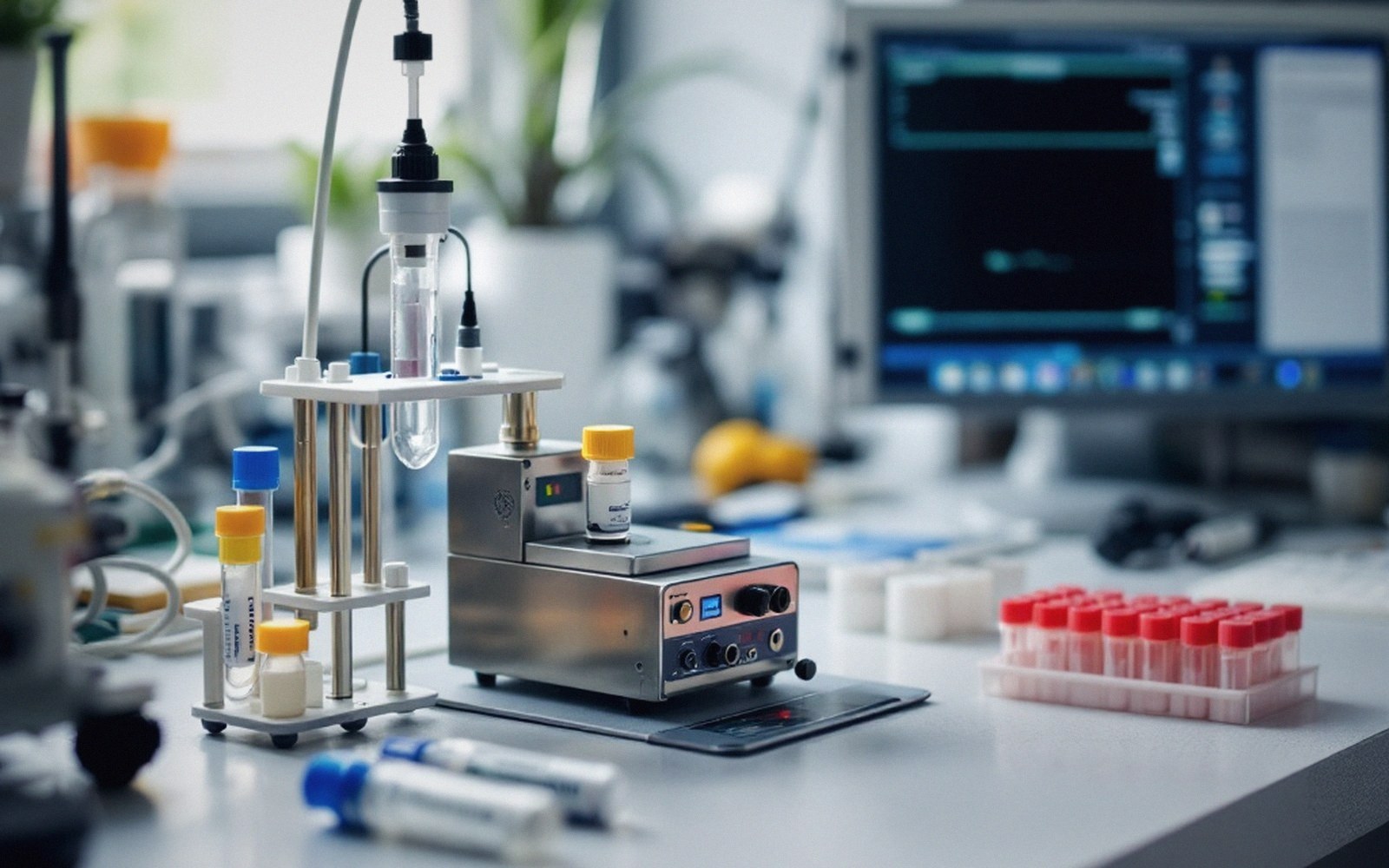
One number that travels
A chamber result without normalisation is almost useless. If a test specimen of floor covering is one square metre and emits a measurable mass of a compound over an hour, that raw figure tells you nothing useful about a real installation — because real floors are not one square metre. The area-specific emission rate solves this by dividing the recovered mass by the specimen area and the sampling duration, yielding a figure in micrograms per square metre per hour (µg/m²·h). That unit is the key: it makes the result portable.
The calculation itself is straightforward. The concentration measured in the chamber air is multiplied by the chamber volume and the air-exchange rate to obtain the mass emitted per unit time. Divide by specimen area, and you have the area-specific rate. From there, scaling to a real room requires two further quantities — the floor area of that room and its volume — which together define the loading factor. The loading factor converts area-specific rate back into an air concentration expected under those specific conditions.
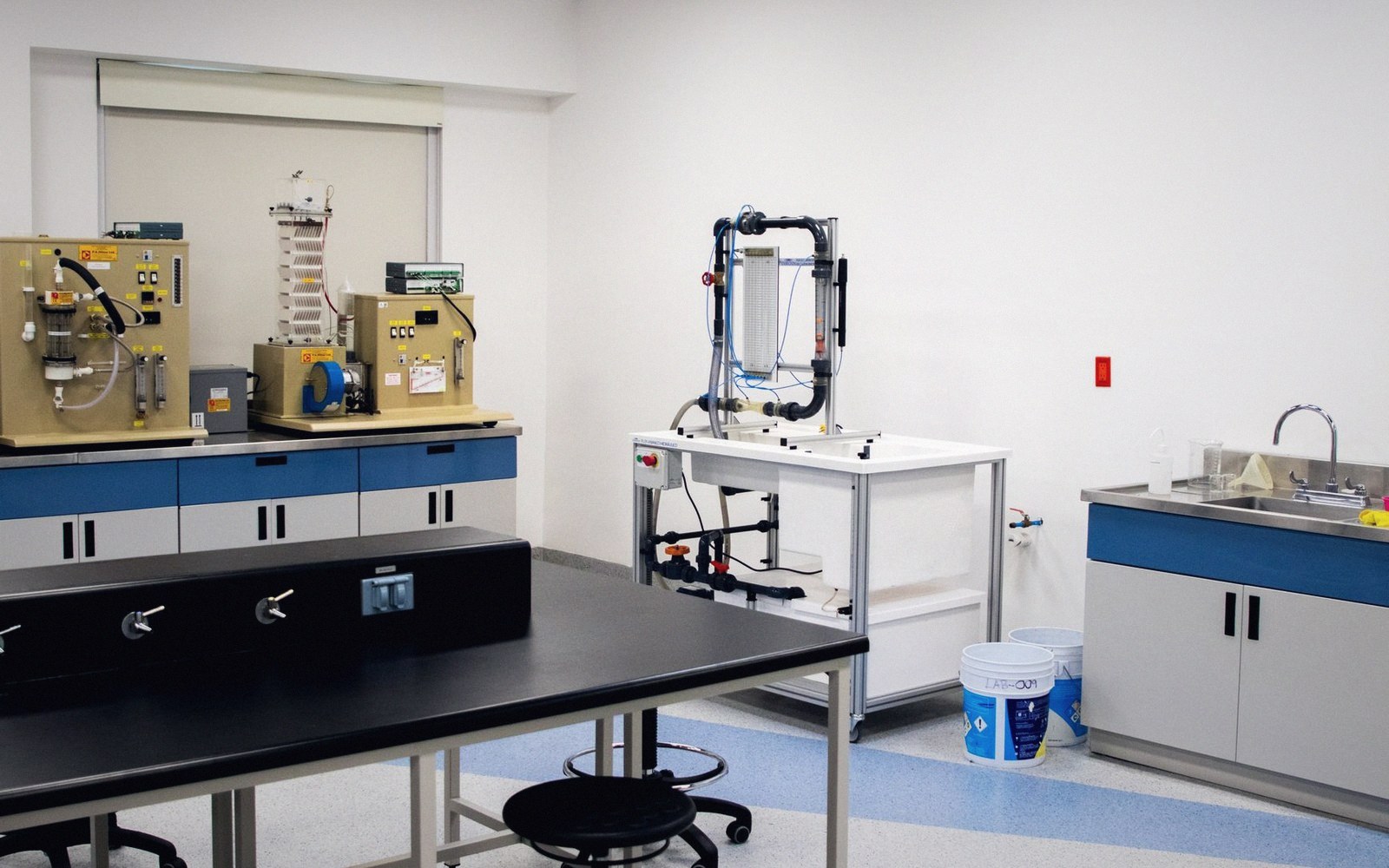
This is why the specimen size and the chamber volume are reported alongside every result, not as background detail but as the denominators the number rests on. A poorly documented chamber geometry makes the area-specific rate unverifiable, and an unverifiable rate cannot be meaningfully transferred.
Standards that govern chamber testing — including ISO 16000-9 for the general measurement procedure and ISO 16000-11 for sampling strategies — specify acceptable chamber volumes, air-exchange rates, temperature, humidity, and the minimum specimen area required for the material class being tested. These specifications exist precisely to make area-specific rates comparable across laboratories and across time: if the conditions differ, the resulting rate is a different measurement, even if the same product is on the specimen holder.
One practical caution: the area-specific rate reflects emission at the moment of sampling. Because emission falls with time, a rate measured on day three of testing is not the same as one measured on day twenty-eight. Any rate reported without its sampling day is incomplete.
Filed inSection 02 — The Chamber