Section 01 · The Field E-06
Concentration is not exposure
A measurement tells you what was in the air. It does not tell you what anyone breathed.
Two different questions
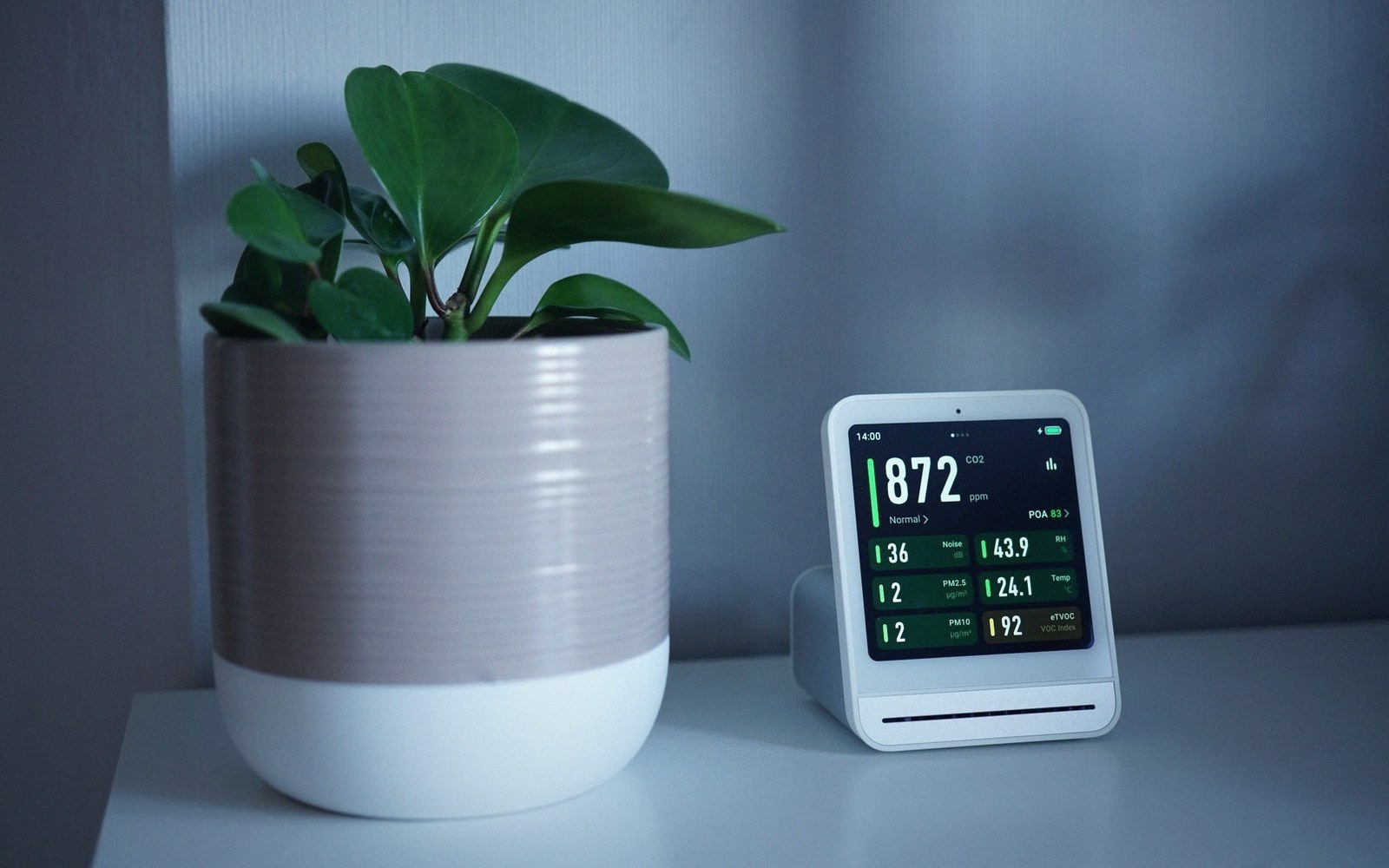
Concentration is a property of the air at a point in space during a sampling period. It is expressed as a mass per unit volume (micrograms per cubic metre) or as a volume fraction (parts per million) and it belongs to the air, not to anyone in it. A diffusive badge clipped to a lapel integrates whatever passes across its face for the duration of the shift; an active tube pulls a known volume through a sorbent bed at a fixed flow rate. Both return a concentration. Neither, by itself, returns an exposure.
Exposure requires a second layer of information: who was present, and for how long. Occupational hygiene formalises this as the time-weighted average — the concentration multiplied by the duration, summed across a working day and divided by the reference period, usually eight hours. The arithmetic is straightforward, but the data it demands are not always collected. A single grab sample taken during a peak task tells you nothing about the other six hours of the shift. A passive badge worn for a full shift tells you the integrated average but cannot resolve the spike.
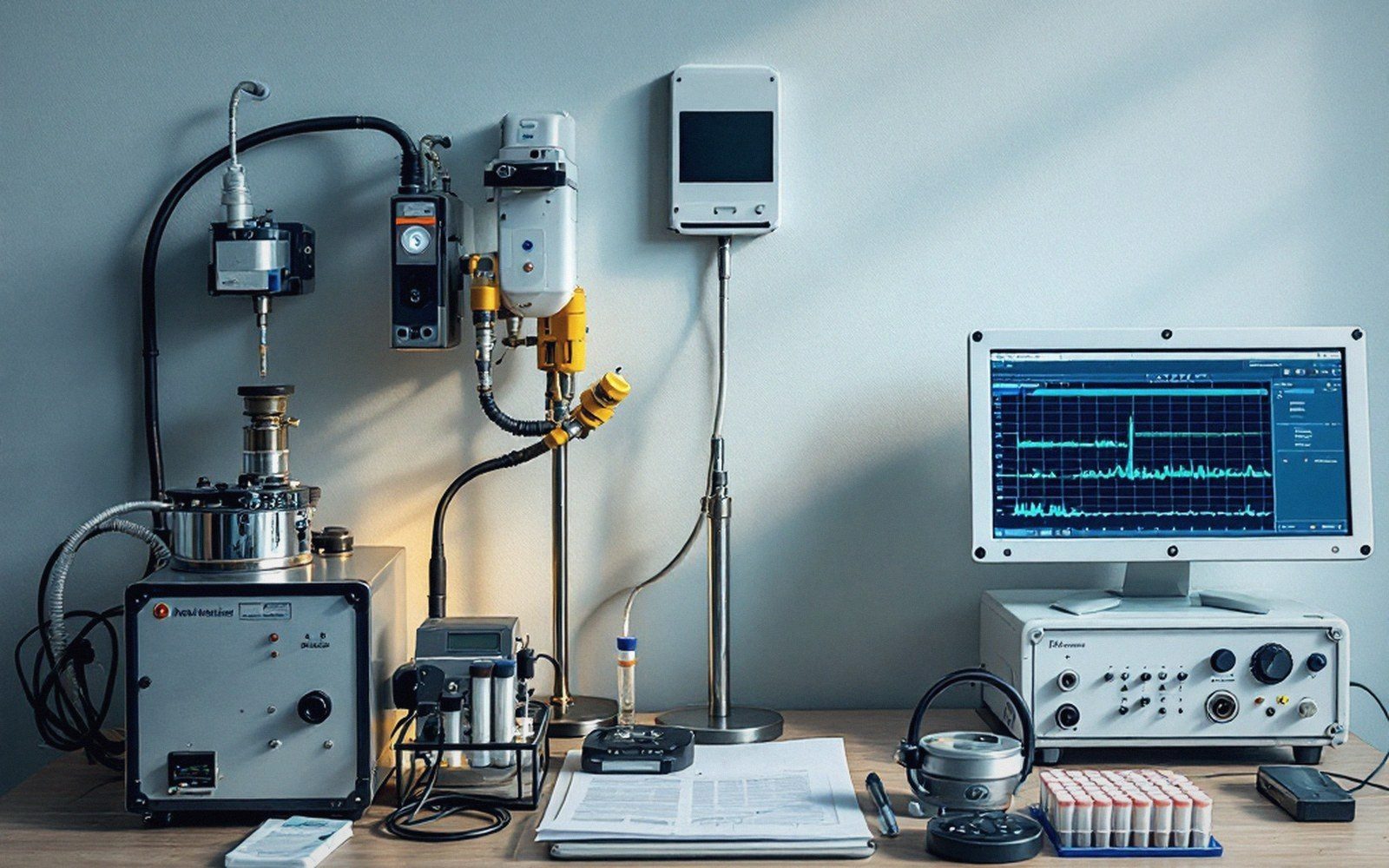
Concentration and exposure diverge most sharply when people move. A worker who spends two hours in a spray booth and six hours in an office is not exposed to the booth concentration for eight hours, nor to the office concentration. The exposure is the weighted sum of both environments and both durations, and it can only be calculated if the time allocation is known. Personal sampling — the badge or tube attached to the worker, not placed in the room — captures this automatically, which is why personal monitoring and fixed-point monitoring answer different questions even when they return similar numbers.
Spatial variation matters too. A fixed monitor placed at one end of a workshop may read quite differently from a monitor placed at the workstation itself. The room-average concentration is a real number, but it is not the worker's number unless the worker lives at the averaging location. Microenvironments within a single room can differ by a factor that makes the average meaningless as an exposure estimate.
None of this undermines the value of a concentration measurement. It is often the first and most informative datum available: it characterises the air, enables comparison with limit values referenced to a defined averaging time, and flags whether detailed personal monitoring is warranted. But reading a concentration figure as if it were an exposure — without knowing who was there, doing what, for how long — is a category error. The measurement is a property of the air. Exposure is a property of a person's day.
Filed inSection 01 — The Field