Section 04 · The Dossier E-18
The Registration Dossier
A dossier is not filed when a problem emerges — it is the condition of market entry.

What Goes In, and Who Provides It
Under REACH — the European Union's Registration, Evaluation, Authorisation and Restriction of Chemicals regulation, which came into force in 2007 — any manufacturer or importer placing a substance on the EU market above one tonne per year must register it with the European Chemicals Agency (ECHA) in Helsinki before that substance moves. No registration, no market. That is the rule's operational core.
The dossier itself has two parts. The technical dossier covers identity (molecular formula, spectral data, purity profile), physicochemical properties, manufacture and uses, and the analytical and study data that underpin hazard classification. The chemical safety report — required above ten tonnes per year — translates that hazard data into exposure scenarios: who encounters the substance, in what quantities, by what route, and whether the conditions of use keep exposure within derived limits. Both parts are submitted electronically through ECHA's IUCLID platform.
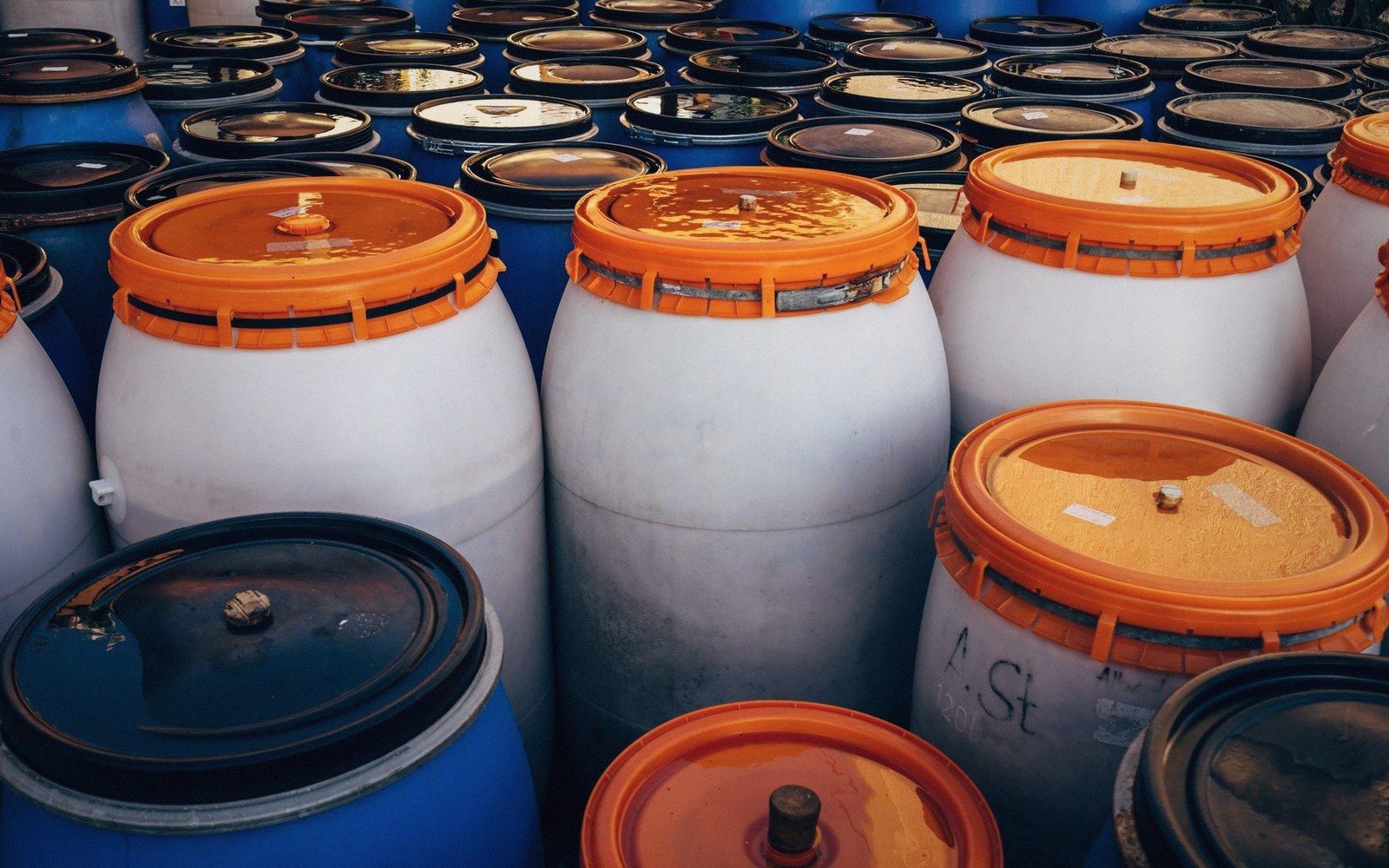
Measurement data sit throughout the technical dossier. Concentration figures generated by pumped tubes or diffusive badges feed directly into the exposure scenarios in the chemical safety report. Where a manufacturer claims a substance is used only in sealed systems, measured workplace air concentrations are the evidence that the claim holds. Where a substance is released from an article or a treated surface, emission test results — chamber concentrations converted to area-specific rates — provide the numbers from which predicted indoor concentrations are calculated.
The dossier is not a one-time submission. ECHA may request additional information during evaluation; registrants are then obliged to supply it within a specified window. Updates are also mandatory when tonnage bands change, when new uses are identified, or when new study data become available. Each version carries a version number and a date, making the dossier a living record rather than a fixed snapshot.
Registrants sharing a substance — because the same compound is manufactured or imported by several companies — submit jointly where possible, through a lead registrant who coordinates the shared data set. Individual registrants may still submit certain data separately, but the joint submission is the default structure ECHA expects.
What the dossier is not: a health advisory, a clearance certificate, or proof that exposure will be safe in any given setting. It is a structured record of what is known, assembled to a defined format, held by a public agency, and open to evaluation. The numbers in it are only as reliable as the measurement methods that produced them.

Filed inSection 04 — The Dossier